Thoughtful color programs begin with practical material questions.
Prismacolor approaches sustainability as a buying conversation, not a slogan. Art and classroom materials carry real questions about packaging, documentation, refillability, logistics, and product life. The most useful progress happens when those questions are visible before an order becomes a long-term program.
For B2B buyers, that means asking what documentation is required, where recycled or responsibly sourced inputs are actually documented, how packaging affects storage, and whether a smaller assortment can reduce waste without limiting creative outcomes.
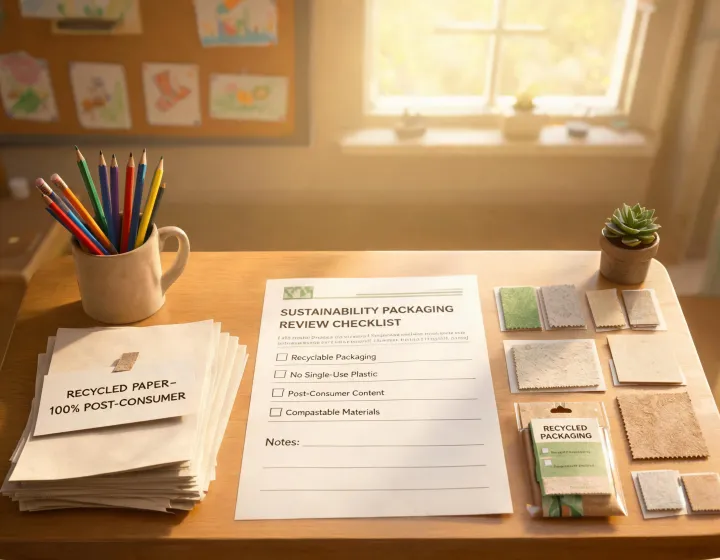
Better programs come from asking better questions before the purchase order.
A district may want fewer half-used supplies at the end of a semester. A retailer may want packaging that communicates color value without adding confusion. A studio may want replenishment that avoids emergency shipping. Each goal touches sustainability, but none can be solved with a single generic claim.
Prismacolor helps buyers frame these questions in useful language. Which sets are most likely to be consumed evenly? Which accessories reduce breakage or replacement frustration? Which documentation fields should be reviewed for children's art materials? Which shipment schedules reduce rush orders? These conversations keep sustainability grounded in decisions buyers can actually control.
Responsible creative supply planning should make the next order easier, not merely make the first order look better.
Simple checkpoints for lower-waste color buying.
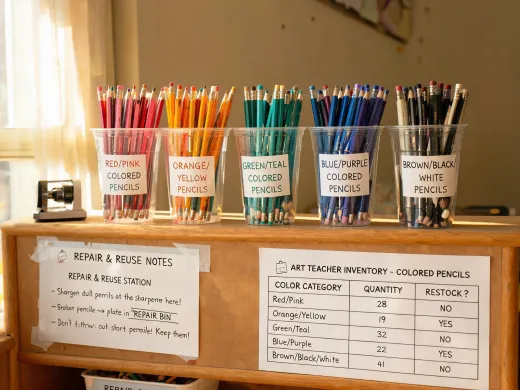
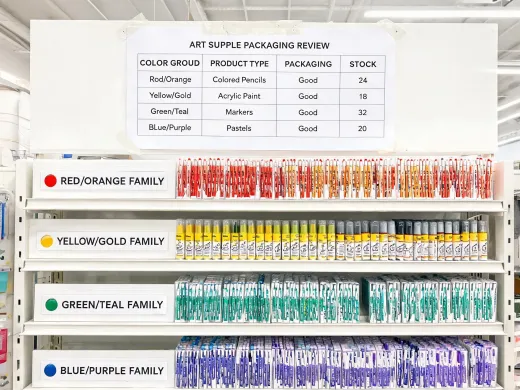
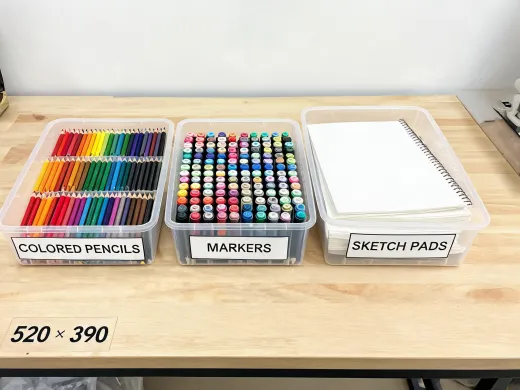
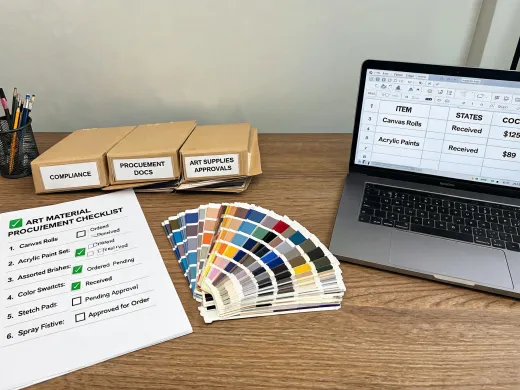
Ask for a program plan that includes product, packaging, and replenishment notes.
Share the context behind your order so Prismacolor can help make sustainability questions part of the buying process rather than an afterthought.